
A new economic impact analysis conducted by Radbridge and RRC Associates, in partnership with the Nevada Division of Outdoor Recreation, takes a comprehensive look at the Nevada outdoor recreation economic impact and how outdoor activity supports the state’s economy. The findings were recently covered by The Nevada Independent, which highlighted several key results from the analysis and their relevance statewide. The research paints a clear picture of the scale, reach, and value of the Nevada outdoor recreation economic impact.
The Big Picture
Outdoor recreation in Nevada extends far beyond access to public lands or individual activities. The analysis estimates that outdoor recreation generated approximately $24 billion in economic benefits in 2023, supporting more than 75,000 jobs statewide, including in the Tahoe Basin. These figures underscore the significant role outdoor recreation plays in Nevada’s broader economy.
One reason this estimate is higher than traditional federal measures is the broader scope of activities and spending captured in the study. By accounting for elements such as self-employed recreation professionals and cross-border travel associated with the Tahoe region, the analysis reflects how people actually engage with Nevada’s outdoor assets and how that engagement translates into economic value.
What These Numbers Mean Locally
For communities, businesses, and policymakers, the findings point to several important takeaways.
Broad economic ripple effects
Spending tied to outdoor recreation flows well beyond trailheads and access points. Visitor and participant spending supports a wide range of local businesses, including lodging, food and beverage, retail, guiding services, and equipment providers. These direct expenditures create ripple effects as dollars circulate through local economies.
Health and quality-of-life benefits
The analysis also highlights significant non-market benefits associated with outdoor participation. Increased physical activity contributes to substantial avoided health care costs, while consumer surplus reflects the additional value people place on outdoor experiences beyond what they pay out of pocket. Together, these benefits reinforce the role of outdoor recreation in supporting both economic and social well-being.
Impacts across rural and urban communities
While urban areas benefit from proximity to outdoor opportunities and visitor spending, many rural communities see outdoor recreation play an outsized role relative to their population size. In these areas, recreation can be a key driver of employment, small business activity, and long-term economic resilience.
Beyond the Numbers
One of the strengths of this project lies in combining rigorous economic modeling with a real-world understanding of how outdoor recreation functions across Nevada. Traditional metrics capture part of the story, but when state-specific data and broader definitions of recreation activity are layered in, a more complete and useful picture emerges. This report is a practical resource for anyone with a stake in Nevada’s outdoor economy, from small business owners and tourism leaders to land managers and state agencies. It provides a shared foundation of data to support decisions grounded in real evidence.
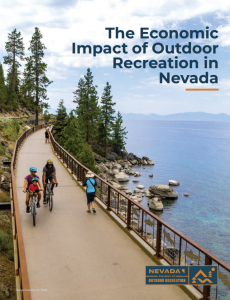
To explore the full analysis and detailed findings behind the Nevada outdoor recreation economic impact, you can access the complete report here.
If you’re interested in learning more about the economic impacts of outdoor recreation or tourism in your community, reach out to the RRC team to explore how custom economic impact work can support your goals.